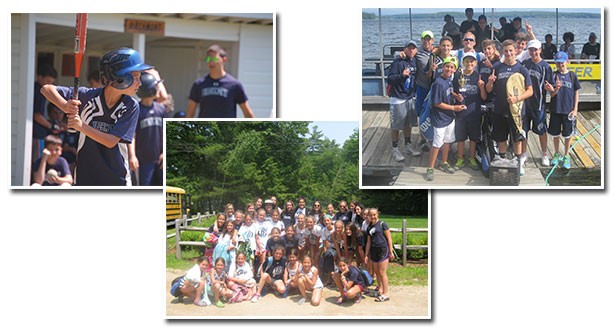
This year’s ICC (Inter Camp Competition) schedule is off to a flying start and Birchmont has landed some noteworthy championships already in our 3rd week of camp.
Most impressive were the 15 and Under Boys Tennis who went to Winaukee and dominated play throughout the tournament to win the overall championship and bring home the big hardware to a rousing dining room ovation. Not to be outdone, the Birchmont girls traveled to Camp Robindel for the largest regional swim meet of the summer and 34 Birchmont swimmers proved too much for all the other teams as the girls finished as the overall first place team champions and invaded Bly’s Ice Cream on the way home for a cool celebration just as the boys had done after winning the tennis tournament.
Other victories and championships include the 13 and Under girls clean sweep of Robin Hood in a soccer and softball friendly play date… the 11 and Under girls double victory over Forest Acres in tennis and soccer… the 15U and 13U boys home tennis invitational first place sweep and a number of third place finishes – not to mention a dominating Spirit Day performance (60 sporting events in one day) versus our friends at Camps Kenwood and Evergreen.
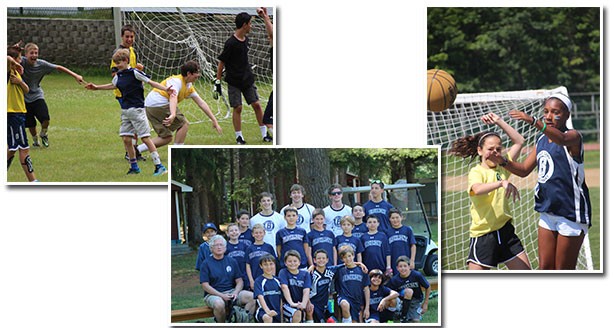
With many more ICCs to come (13U and 15U Girls Tennis Invitational at home July 21, 15U Boys Tristate Softball Tourney July 21, 13U Boys Flag Football Tournament July 22 to name a few) perhaps the most successful ICC so far this summer happened on July 10 at Camp Tecumseh when the 15U Boys participated in a first of its kind “World Cup” soccer tournament facing off against 7 other regional camps. Sweeping all 5 matches and winning the championship was impressive… but getting a call from tournament director Mark Luff (director at Tecumseh) to compliment all of our boys and coaches on exhibiting “class, good sportsmanship and humility” was really an amazing call to receive – and one that perhaps best embodies the success this summer of all of our Birchmont ICCs.
The campers and counselors have been nothing but stellar this summer on the fields and courts both home and away – something we all take great pride in as a camp community. As the legendary coach Bear Bryant once said:
“Show class, have pride, and display character. If you do, winning takes care of itself.”
So far this summer, that has proven to be very true for our Birchmont ICCs. Way to go Birchmont!
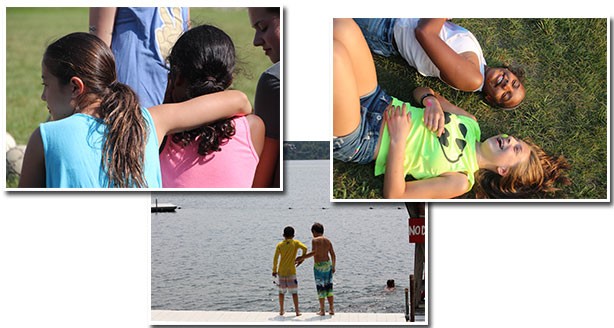 We thought we’d share the impression of a Group Leader, Sara of the Pioneer Girls. She found herself caught by surprise the other day by the simple profundity of an unguarded conversation between her girls. We probably could write a whole series of the times counselors are awe-struck by their campers, and vice versa, but you’d really have to be in the moment here to appreciate the way personalities unfold at camp.
 U.S. women were multi-sport athletes before focusing on soccer
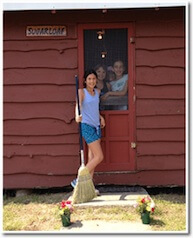 standing tradition where Greg gathers the camp to speak of the richness of camping life and the opportunities to try new things and set new goals. Big Cabin Inspection begins, and it’s actually more fun than it sounds…Big Inspection is a weekly Sunday ritual where each bunk is judged on general neatness and organization. The winners for the week in each group are awarded prizes and announced in the Dining Hall to much fanfare and applause. We don’t expect that every young camper will begin the summer with 193the living skills of making their bed, and folding their towels, but learning with friends makes for the best lessons. It never ceases to amaze me that the perennial traditions at camp can gain a new spin every year. This summer campers took to upping the ante with some adorable antics in girls camp; as wildflower arrangements were put out on cabin stoops and campers tried to impress supervisors with original cabin songs and even a violin serenade. Boys camp made welcome signs for Greg Pierce and Scott Shallcross of twigs, rocks and pine cones, just outside their screen doors. All cabins passed with flying colors!
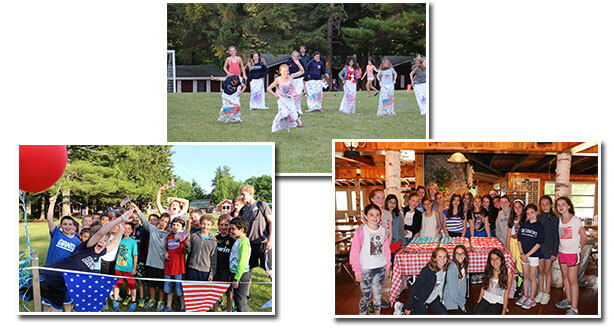
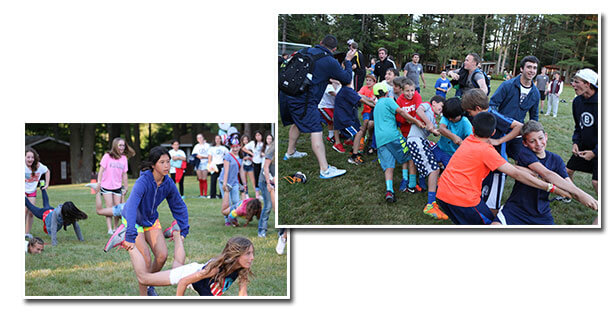 The races were run with great spirit as every age group had several heats with prizes for the winners. Everything from serious straight away sprints, to the giggle producing three legged and wheelbarrow races were run with gusto. The traditional end are tug of war contests just before the campers head to the ice cream and toppings bars to “make their own” sundaes! Our older campers, Lower, Upper & Super Seniors, boarded our buses to town to see the Wolfeboro fireworks display over the “big” lake after dark. Good old fashioned fun was had by all!
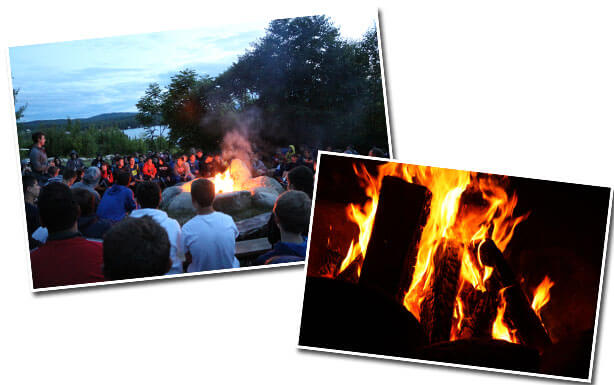 recall missing the last two days of camp and having my co counselor Sean McQuade tell me how much I would be missing by not being there for Candlelight night. In a subsequent summer, I came to find out he was quite right. It’s a wonderful night around a huge beautiful campfire where all campers and staff gather in a circle around the fire to help cap the season with thanks and reflections from the summer. Supervisors, group leaders and Birchmont “B” winners from each group each take a brief turn standing in front of the fire and one by one speak from the heart sending their own positive message of thanks, experiences and reflection. It’s a powerful and moving experience – if not downright emotional. Each camper adds their candle to an ever growing circle of flames until the fire is extinguished with a closing ceremony. Im sure it’s a memory etched deep into the mind of most alumni that have been present for it. Tonight , we mark a new opening night tradition at Birchmont.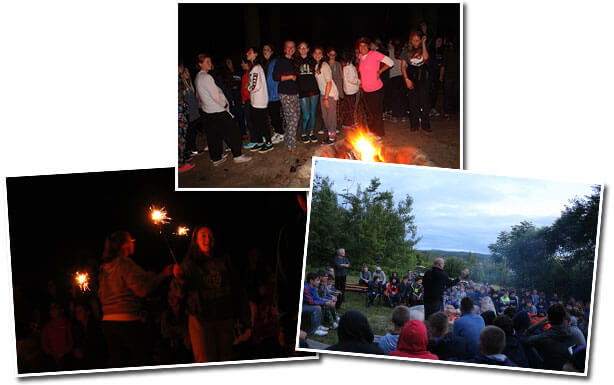
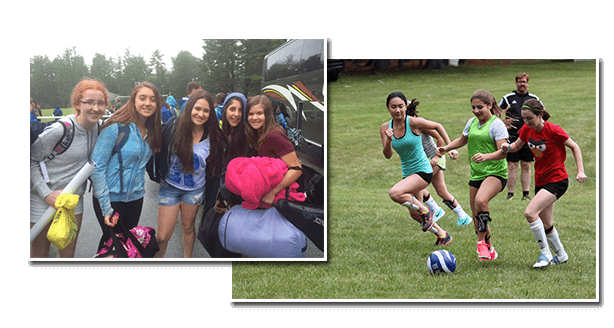 campers to their new summer home. In some ways the bus ride to Camp Birchmont is the beginning of the camp experience. Campers are grouped by age, so there is an opportunity to make friends while sharing snacks, singing songs, and listening to the bus counselors answering questions in rapid succession like “How will I find my bunk”, ” My brother is on another bus, when will I see him?”,” When do we have try-outs for the talent show?”,” Does anyone know I’m allergic to eggplant?”
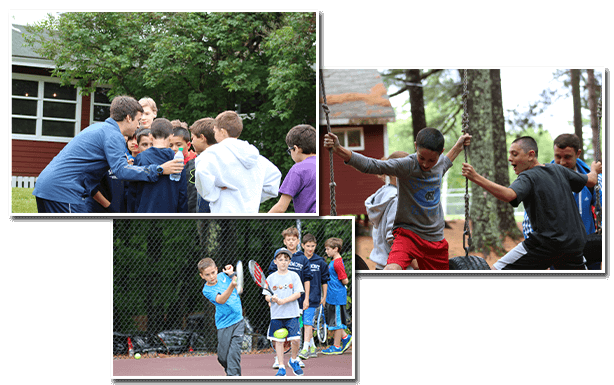 Many families dropped off their children on the grounds and many more came in from flights from Logan airport and soon Birchmont came alive for another summer adventure.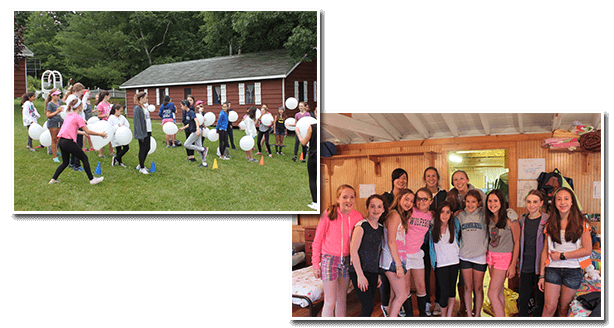
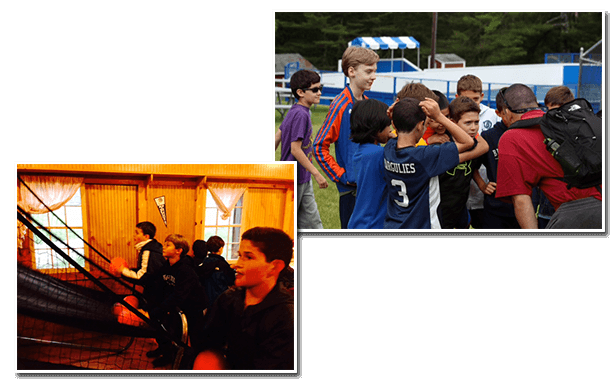 Name games, balloon relays, fun in the Old Time Arcade with pop-a-shots, and Hockey Dome, tomorrow we will start our full camp day, and its going to be great!