Scheduling Unscheduled Time at Camp, And Why It Is Essential

In our modern, high-achieving world, a child’s life is often a masterpiece of logistics. Between competitive sports, music lessons, or tutoring, every hour of their day is optimized for achievement. At the same time, game consoles and on-demand TV often usurp free play and are constantly present to fill the gaps that used to be filled with some of the boredom that led children into self-directed play. As a result, the “free play” that defined previous generations has shrunk to a much smaller part of childhood and can sometimes feel like a luxury to today’s child.

At Pierce Camp Birchmont, we certainly have a robust and professional schedule of activities. However, we also believe that some of the most profound growth happens during our intentionally scheduled blocks of unstructured time.

Whether it’s the “Rest Hour” that occurs every day after lunch, smaller breaks around meal times, or our dedicated “Option Sunday” afternoons, these blocks of time are a vital part of the Birchmont curriculum. Here is why providing unscheduled time in a child’s schedule is essential for their development.

1. Free Play Is The Engine of Creativity

When a child is handed a tablet or a pre-set activity, their imagination is in the passenger seat. But when a group of campers is given an hour of unstructured time, their creativity takes the wheel.

I’ve watched campers turn a few fallen branches into an elaborate village or invent their own sports. A perennial favorite at Birchmont is “Roof Ball”, a game that wasn’t created by a coach or a director, but emerged naturally from the campers themselves during their free time. This isn’t just passing time; it is the development of divergent thinking. By having the space to decide what to do next, children learn how to generate their own ideas rather than just consuming the ideas of others.

2. Building Social Intelligence in the Gaps

During Rest Hour, children are the primary navigators of their own social world. They are allowed to rest in the bunk, roam freely within their respective camp areas (Boys’ Camp or Girls’ Camp), or engage in spontaneous pickup games of tennis or basketball.

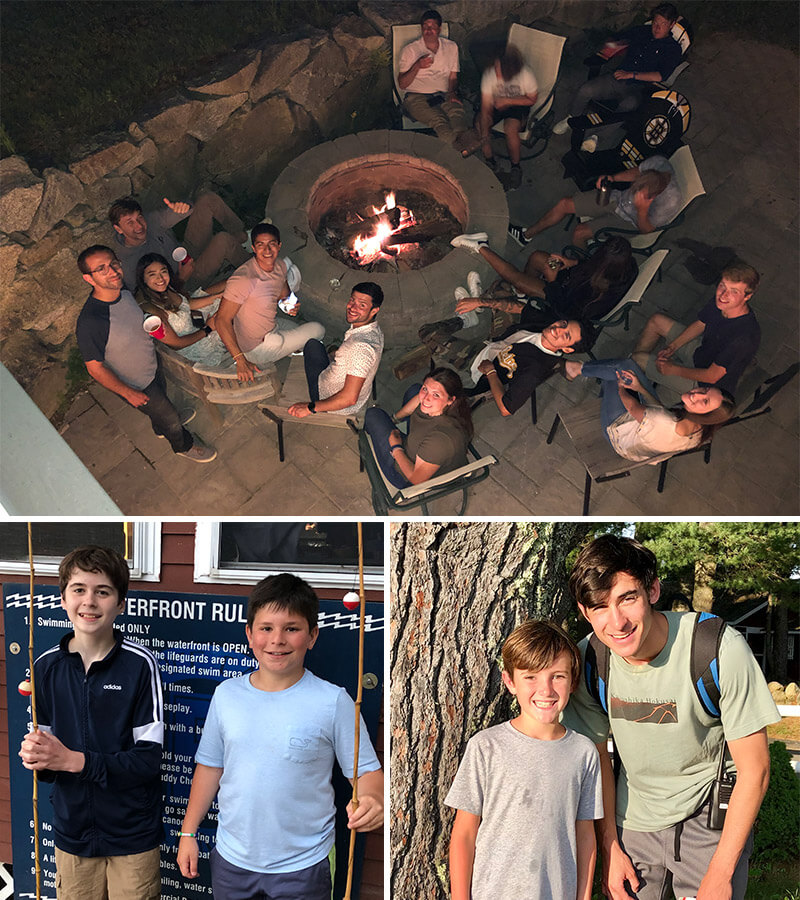
In these moments, children mediate their own interactions and organize the fun. Campers have to negotiate the rules of their games, decide who is on which team, and resolve the small, daily frictions of communal living. These unstructured moments are where true social intelligence is built. Campers learn the art of compromise, the value of leadership, and how to read the room—skills that are increasingly rare in an over-monitored world.

We train our counselors to allow this to happen and to only intervene and guide as necessary. Sure, this actually creates a little more work for us since managing this time is slightly more complex than organized activities, but we feel that the benefits it provides our campers and the depth it brings to the camp experience is well worth it.

3. Developing Executive Function

Executive function is the ability to plan, organize, and execute tasks. In an overscheduled life, a child’s executive function often goes dormant because someone else (a parent, a coach, a teacher) is doing the planning for them.

During Option Sunday, a camper has to ask themselves: “How do I want to spend my afternoon? Who do I want to play with? What equipment do I need to ask for?” This self-directed planning is a major milestone in a child’s journey toward independence. It allows them to practice being the “CEO of their own time” in a safe, supportive environment.

4. Recalibrating the Nervous System

Unstructured time allows for a mental reset. In a world of constant performance and external evaluation, children need moments where nothing is being graded or tracked.

This isn’t about doing nothing; it’s about doing something purely for the joy of it. Whether it’s a quiet conversation between cabinmates on the bunk porch, reading a book under a tree, or a spontaneous game of catch, this downtime reduces the performance anxiety that so many children carry today. It teaches them that their value isn’t just tied to their achievements, but also to their presence and their friendships.


The Director’s Perspective

We want our campers to leave Birchmont as creators, not just participants.

As a child development professional, the irony of scheduling unscheduled time is certainly not lost on me. By protecting these blocks of unstructured time, we are giving our campers the chance to discover their own interests, build deeper friendships, and learn that they have the internal resources to navigate their own world.

We provide the setting and the safety, but the campers provide the magic. I can’t wait to see what games and memories they create this summer in the “white space” of Rest Hour, Option Sunday, and all those little moments camp provides for kids to just be kids.

Yours in camping,

Will Pierce

Owner/Director, Pierce Camp Birchmont
The Analog Advantage: Why a Screen-Free Summer is More Vital Than Ever

In today’s world, our children are growing up in a digital landscape that is more immersive than ever. For our teenagers, it’s the constant pull of the smartphone. For younger children, it’s often the addictive loop of an iPad or gaming console. As a parent, you know the digital noise that follows our children everywhere.

As the Director of Birchmont, I see our screen-free policy not as a restriction, but as a profound gift to both campers and staff. It is perhaps the most significant feature we offer. When we remove the devices, we create space for something much more valuable: Presence.

In my leadership role within the American Camp Association, we frequently discuss the “Digital Detox” that camp provides and the research which backs this up. As Vice President of the New York State Camp Directors Association, legislators in Albany recently asked us what we thought about the state’s proposed smartphone ban in schools. Our reaction was, “How did it take this long?”

To camp professionals, the decision to keep phones and digital devices out of our programs always seemed obvious. We are glad that the research is beginning to catch up. We have always known that the greatest growth happens when a child’s primary interface is other human beings, not a piece of electronic equipment.

Here is why the “unplugged” summer at Birchmont is the ultimate setting for your child’s growth and development.

1. Reversing the “Phone-Based Childhood”

In his recent work, The Anxious Generation, Jonathan Haidt discusses the shift from a “play-based” childhood to a “phone-based” childhood, noting the rise in anxiety as children spend more time in virtual spaces and less time in the physical world. At Birchmont, we intentionally reverse this trend.

By trading the iPad for a paddle and the phone for a campfire, we return children to a play-based environment. This isn’t just about fun; it’s about brain health. When children engage in real-world play, they develop the executive function and social resilience that simply cannot be simulated on a screen.

2. From Emojis to Eye Contact

Social-emotional learning is at the heart of the Birchmont experience which is embodied by our first core value: Community. When a camper is in a bunk, they have to navigate the nuances of a cabinmate’s mood, the humor of a counselor, and the dynamics of a group in real-time.

In a digital world, you can mute a difficult conversation or hide behind an avatar. At Birchmont, our campers learn to read body language, practice active listening, and resolve conflicts face-to-face. These are the skills that stay with a child forever, and they are built on our ballfields and under our pine trees.

3. Breaking the High-Dopamine Loop

For children, the constant drip of dopamine from a tablet or a video game can make the real world feel slow or uninteresting. A Digital Detox allows their nervous systems to recalibrate.

Instead of looking for the next digital ping, they start to find joy in the shimmer of the lake or the cool New Hampshire breeze. One of my favorite things to do is lead campers on a short “silent hike,” asking them to listen to the sounds of the woods around them. It’s amazing how much they hear that they have never noticed before. The curiosity of what certain sounds are leads to a whole new phase of discovery.

Shifting from high-dopamine digital loops to the slow-burn satisfaction of mastering a new skill, like sailing or woodworking, builds a level of focus and mental clarity that is becoming increasingly rare and more valuable in our modern world.

4. The Power of Authenticity

The pressure to perform for a camera or curate a perfect digital life is exhausting for teens. When everyone is unplugged, that pressure disappears.

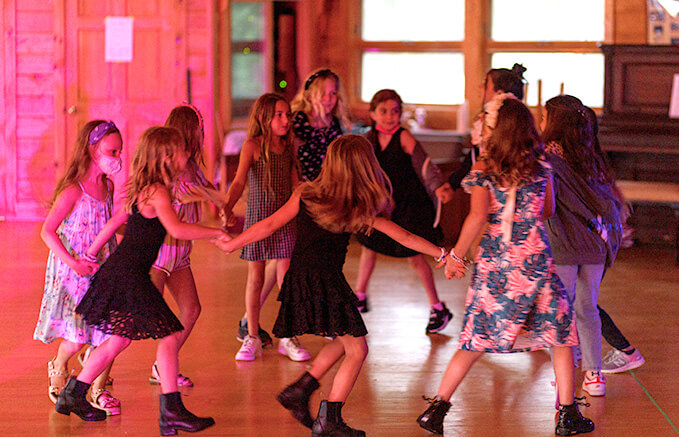
This allows our campers to be their most authentic selves. They can be silly, they can try a new sport without fear of a fail video being shared, and they can live entirely in the moment. This always hits home at the first DJ social where kids are a bit reticent to dance at first. But by the end of the summer, they are letting loose and living by the adage “dance like no one is watching” because no one is! At Birchmont, the only status updates that matter are the ones you share in a letter home or with your group around the campfire.

The Director’s Perspective

We are only a few days into the summer, but Kristie and I are already seeing that transformation happen. The habit of reaching into a pocket to pull out a phone that isn’t there is already disappearing just three days into camp. Very quickly, our campers and staff are becoming so deeply immersed in our community and all there is to do that they forget what they might be missing on their iPad or phone.

A screen-free summer isn’t about being old-fashioned; it is about helping our kids prepare for the challenging environment of our modern world where distractions are everywhere. By giving your child a few weeks to live an analog life, you are helping them build the resilience, social intelligence, and mental focus they need to lead in the real world.

Yours in Camping,

Will Pierce

Owner/Director, Pierce Camp Birchmont
The Birchmont Pillars: How We Build a Summer of Significance

In the world of summer camping, people often focus on the “what”. The beautiful lake, or if the tennis courts are lit, or the number of activities. But at the best camps, like Birchmont, the most important focus is on the “why.”

Everything we do is built upon two foundational pillars: Community and Confidence. These aren’t just abstract ideas; they are active principles that guide every interaction, from the moment a camper steps off the bus and attends the lighting of their first campfire at Firelight, to the final embers of our closing campfire at Candlelight.

As I look toward the upcoming season, I want to share how these two pillars define the Birchmont experience.

Pillar I: Community

“There are no strangers within, only friends waiting to be met.”

Our camp motto is boldly emblazoned on a large sign right in the front of camp and is often the first thing everyone who arrives at Birchmont sees. But its true power lies in how our campers and counselors live it every day. In a world that can often feel fragmented, we provide a space where belonging is the default setting.

Building a true community is an intentional act. In my role as a speaker at American Camp Association conferences, I often speak about the intentional social architecture of camp. At Birchmont, this means:

  • The Bunk Family: Creating a micro-community where children learn to support one another, share space, celebrate each other’s successes, resolve conflicts when they arise, and lift each other up after a failure.
  • Being Part of Something that is Larger than Themselves: From our youngest campers to our most veteran staff, there is a shared thread of tradition in which we all partake. At our first campfire this summer, I will be sure to mention that 75 years ago, campers who are now older than their grandparents sat around this very same fire doing exactly what we are doing now. Imagining people their grandparents’ age as children always blows a few young minds, but it also makes everyone realize that they are part of something much larger than themselves.
  • Inclusivity by Design: We teach our campers that true friendship isn’t a closed circle; it’s an open invitation. When we are in a safe space to remove the barriers of strangerhood, we can allow children to develop the social intelligence and empathy that will serve them for a lifetime.

Pillar II: Confidence

“What would you attempt to do if you knew you would not fail?”

At our very first Quiet Hour of the summer, we ask every camper this question. It is a challenge to set a goal for their time with us; not a goal defined by achievement, but one defined by the courage to make the attempt.

True confidence isn’t the absence of fear; it is the willingness to try something new despite it. We believe that a premier camp experience should be a brave space to take safe risks. We create an atmosphere where the stakes start off low, but the rewards of personal growth are high.

  • The Freedom to Fail: Whether it’s climbing to the top of the rock wall or auditioning for the camp play, we encourage campers to stretch. Because we have first built a supportive Community (Pillar I), campers can feel confident enough to take those risks.
  • Competence Leads to Confidence: When a child learns to hit a golf ball or get up on waterskis, they aren’t just gaining a skill; they are gathering evidence of their own capability.
  • The Goal-Setting Journey: By asking that Quiet Hour question, we empower campers to take ownership of their summer. We aren’t telling them who to be; we are asking them to ask themselves who they want to become.

The Director’s Perspective

When you combine a welcoming Community with the pursuit of Confidence, magic happens. You see a camper who arrived hesitant suddenly making a new friend or performing in the talent show. You see a child who was unsure of their swimming ability suddenly passing their deep-water test.

Kristie and I believe that these two pillars are what make Birchmont summers so transformative. We don’t just want our campers to have a great summer; we want them to return home with a stronger sense of who they are and a deeper appreciation for the people around them.

As we prepare for the 2026 season, I invite you to ask your own child that same question: “What would you attempt to do if you knew you would not fail?” Their answer might be the start of their greatest summer yet.

Yours in camping,

Will Pierce

Owner/Director, Pierce Camp Birchmont
The Gift of Confidence: Navigating the “Pre-Camp Jitters”

Nervousness For First-Time Campers

There is a specific moment every June, usually just as the trunks are being packed, when the excitement of summer suddenly meets a wave of “What ifs?”

As the Director of Birchmont and a lifelong camp professional, I want you to know that this is a completely natural and expected part of the camp experience. Whether it is a child’s first summer or their fifth, pre-camp nerves are a sign that your child realizes they are about to embark on something significant. For parents, this is often the first real test of the season. You want them to be brave, but your heart aches when they ask, “What if I miss you too much?”

In my leadership role with the American Camp Association, other camp directors and I often discuss this moment as when the camp experience for a child truly begins. As camp professionals, we know that the greatest growth happens when a child stretches beyond their comfort zone; these feelings are the beginning of the developmental arc that allows camp to be such an impactful experience.

We expect children to encounter and overcome some level of homesickness; our staff are trained for it, and the experience is built to allow your child to have their first success at being truly independent. But as a parent, your job is to provide the steady ground from which they launch. The power of camp to bolster a child’s independence and confidence starts with the partnership between camp and home.

Below is my advice on how to talk about homesickness and nervousness to ensure your child has a successful camp experience.

1. Validate the Feeling, But Don’t Join the Worry

When a child says they are nervous, a natural inclination may be to minimize the concern by saying something like, “Don’t be silly, you’ll love it!” While well-intentioned, this can make a child feel like they aren’t being heard.

Instead, try something along the lines of: “It’s totally normal to feel nervous about something new. Even I get butterflies before the first day of camp! But I also know how much fun you’re going to have with your new friends on the lake.” You are acknowledging the emotion without giving it the power to stop the journey. If you or a family member has camp or similar experience, this is a great opportunity to share how you had the same feelings but then had a great experience once you were settled in.

2. Avoid the “Pick-Up Deal”

This is perhaps the most vital piece of advice I can offer. Never tell a child, “Try it for a week, and if you don’t like it, I’ll come get you.”

In the camping profession, we call this the “Bailout Clause”, and it can become a self-fulfilling prophecy. It inadvertently tells the child that you don’t believe they can succeed. When the first inevitable wave of homesickness hits, your child won’t focus on making a new friend, talking to their counselor, or engaging in activities—they will focus on the “deal” to go home without ever giving the camp experience a chance.

Instead, talk to them about their “camp family”. Explain that at Birchmont, they aren’t just a camper; they are part of a community that looks out for one another. Reassure them: “There might be moments where you miss home, and that’s okay. But you have a whole camp family and counselors there to help you through it. I know you can do this.”

As parents ourselves, Kristie and I often serve in this surrogate parent role for children who may be homesick. Please let your camper know that if they are having trouble, they can come talk to us just like they would to their Mom or Dad. One of the most rewarding parts of our job as camp directors is helping a child get through those first few days to then see them return to camp for many happy summers.

3. Focus on the “Firsts”

To pivot from nervousness to excitement, talk about the specific “firsts” they are looking forward to. Is it the first time they’ll hit a bullseye in archery? The first campfire s’more? The first time they see the Milky Way and the stars in the light-pollution-free New Hampshire sky? Shifting the conversation toward these tangible milestones helps them visualize success rather than focusing on the unknown.


The Director’s Perspective

Homesickness isn’t a “problem” to be fixed; it’s a milestone to be managed. It is actually a beautiful sign that your child has a home they love. By navigating those feelings and coming out the other side, your camper will develop a level of resilience that stays with them long after the buses return home from camp.

At Birchmont, we are ready for them. We pride ourselves on creating an environment where every child feels seen and supported, and I can’t wait to see your child grow this summer.

Yours in camping,

Will Pierce
Owner/Director, Pierce Camp Birchmont
Anxiety About Sleeping Away At Camp? Here’s What We Can Do.

It’s common for children to feel anxious or nervous about sleeping away at camp, especially if it’s their first time. Sometimes these feelings or expressions of anxiety don’t crop up until the start of camp draws closer.  Here are some things you can do to help alleviate anxiety and prepare your child for the experience:

Talk about it: Discuss the experience with your child beforehand, including what to expect, what they’re looking forward to, and any concerns or fears they may have. Encourage your child to ask questions and express their feelings openly.

Practice separation: Practice separation by arranging sleepovers with family or friends beforehand. This can help your child get used to being away from home and build confidence in their ability to cope with new situations.

Involve your child in the packing process: Involve your child in the packing process, and make sure they have all necessary items and comforts from home, such as a favorite stuffed animal or pillow.

Communication: Let your camper know they can write you letters and that you will be writing to them too.  Make sure they know they can always talk with camp staff or the camp director if they ever need anything or are having a hard time. Make sure they knowing that they will have a phone call with you after the first week of camp.  Knowing this communication with home is on the horizon will help ease anxiety and get the camper to focus on the camp experience in the first few days of camp instead of focusing on calling home right away or talking to a parent at the first sign of homesickness.

Create a coping strategy: Work with your child to create a coping strategy for managing anxiety, such as deep breathing exercises or visualizing a peaceful place. Encourage your child to use this strategy if they feel overwhelmed or anxious.

Trust the staff: Most importantly, the camp staff is trained to handle a variety of situations and ensure the safety and well-being of campers including normal feelings of anxiety when being away from home for the first time. Trust that they will take care of your child and address any concerns or issues that arise and make sure your child knows they can always approach camp staff to help them too.

Stay positive and encouraging: Remind your child that sleepaway camp will be a fun and exciting experience and that they are capable of handling new situations and challenges. Stay positive and encouraging, and express confidence in their ability to thrive at camp.

Overall, it’s important to be supportive and understanding of your child’s feelings about sleeping away at camp. By preparing them for the experience, and fostering a positive attitude, you can help alleviate anxiety and ensure a positive and rewarding experience for your child.

What Is The Best Age To Go To Overnight Camp?

The best age to go to overnight camp depends on the individual child and their maturity level, interests, and comfort level with being away from home. However, many overnight camps typically accept children between the ages of 7 and 15. Here are some things to consider when determining the best age for your child to attend overnight camp:

Readiness for being away from home: Children who have previously attended sleepovers or been away from home for short periods of time may be more comfortable with the idea of overnight camp than those who have not. It’s important to consider your child’s comfort level with being away from home for an extended period of time and their ability to cope with homesickness.

Ability to follow rules and routines: Overnight camps have rules and routines that campers are expected to follow, such as set meal times and bedtimes, and regulations around personal conduct and behavior. Children who are able to follow rules and routines and understand the importance of respecting others may be better suited for overnight camp.

Interest in the camp’s activities: Overnight camps offer a wide variety of activities, from sports and outdoor adventure to arts and crafts and performing arts. It’s important to consider your child’s interests and whether the camp’s activities align with those interests. Children who are enthusiastic about the camp’s activities may be more likely to enjoy their time at camp and build strong relationships with their peers.

Maturity level: Some children may be more mature than others at a certain age, and it’s important to consider your child’s emotional maturity and ability to handle social situations, conflicts, and responsibility. A child who is mature for their age may be better suited for overnight camp than a child who is still developing these skills.

Overall, the best age to go to overnight camp varies from child to child, and it’s important to consider each child’s individual needs and interests when making the decision. It can be helpful to involve your child in the decision-making process and encourage them to share their thoughts and feelings about attending overnight camp.

Ready??! Request information about overnight camp here.

Why Should I Send My Child to a Co-Ed Overnight Camp This Summer?

Co-ed camps offer a comfortable family atmosphere that is simply not attainable at unisex camps, or separate camps which bill themselves as Brother/Sister camps to attract siblings.

Birchmont activities are both single sex and co-ed depending on the activity: While Birchmont’s athletics are not co-ed, we do host a range of special events, activities, trips and meals which are co-ed. Our campers share the facilities, and pass each other throughout their day, emphasizing an “at-ease” atmosphere rather than stressing the absence of a particular gender.

Promotes healthy relationships: Co-ed overnight camps provide a unique opportunity for children to interact with peers of the opposite gender in a safe and supportive environment. This can help them develop healthy relationships and learn how to communicate and collaborate with others.

Strengthens family bonds: Many siblings and cousins have found great common ground at Birchmont, and the shared experience is one which will carry them through years and distance. The idea of spending one visiting day together as a family, without the logistics of visiting two camps, should not be underestimated.

Feeling connected, accomplished, and making friends is what camp life is all about…no matter your gender.

Our Fun Is Almost Done

Our camp summer is about to close but not before we have finished our Color War, Water Carnivals, Fireworks, Candlelight, Banquet and Cabin Parties.

We have played a lot, learned a lot, and grown a lot, and have perhaps taken for granted some perfect sunsets, blue-bird days, and friendships made rock solid by time shared together.

We have a few sayings at camp, but none exemplifies the perfect sentiment about camp friends: “to have a friend, be a friend”.

What a pleasure it is to see meaningful, relaxed, loyal, lasting in-person friendships being formed amongst our campers and counselors this summer. Face-Time will never replace Face to Face Time. This is an organic, fundamental truth we live at Birchmont every day.

The other saying we have at camp also comes into play this Color War week…

“Leadership is behavior.” Eleanor Roosevelt is the author of this quote, and her 3 words are still simple and true. Our camp community understands that being chosen for leadership positions through Color War is not just about a random selection, but about earning respect and recognition for behavior on and off the fields of play each day. There was tremendous support and enthusiasm shown at Color War team announcements after a fun and spirited Booth Carnival of our own making, with each bunk creating and running a booth in our circus-themed 4 teamed Color War and Carnival break out.

This past week we also held our annual Sailing Regatta on the first Wednesday in August to coincide with the St John’s Royal Regatta, North America’s oldest annual sporting event held each summer since 1816. We congratulate our sailors, Maven Flamhaft and Max Ferme took first place. Evan McVeigh took second place, and the team of Rafael Carlos, Kyle Kim and Michael Trokel placed third in the race.

We also congratulate Collin Kurtzman, our 2021 Checker Champion, and finalist Colden Friedman. And of course, we offer a huge congratulations to the Color War Lieutenants in each group (too many to list) and the 8 team Captains who will lead their camp teams this week: Jared Korn & Finn Byrne, William Sullivan & Ariana Koenig, Dylan Turkenkopf & Riley McKibben, Owen Banks and Rose Kobetz.

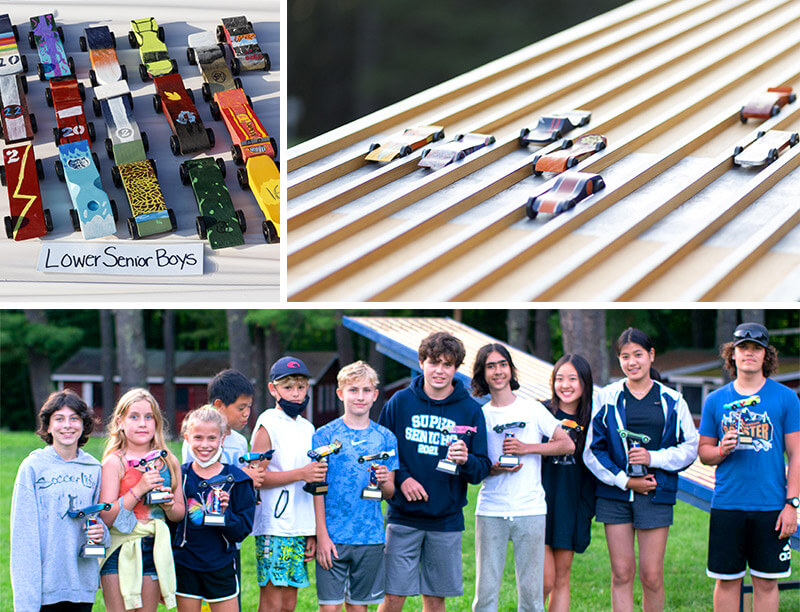
A big round of applause is also in order for all the talented and bold campers who performed in our second Talent and Variety Show of the season. Too many stars to list here, as were the winners of our annual Box Car Derby, both of these camp-wide, outdoor evening events brought much cheering and joy to the whole camp community.

We hope you have been enjoying these summer days too, because to be sure…

We will be having fun, till our camp days are done.

We leave you with one more saying until we see each other next summer…

“Take only memories, leave nothing but footprints” ~ Chief Seattle

Birchmont in the Rain, We Love You Just The Same

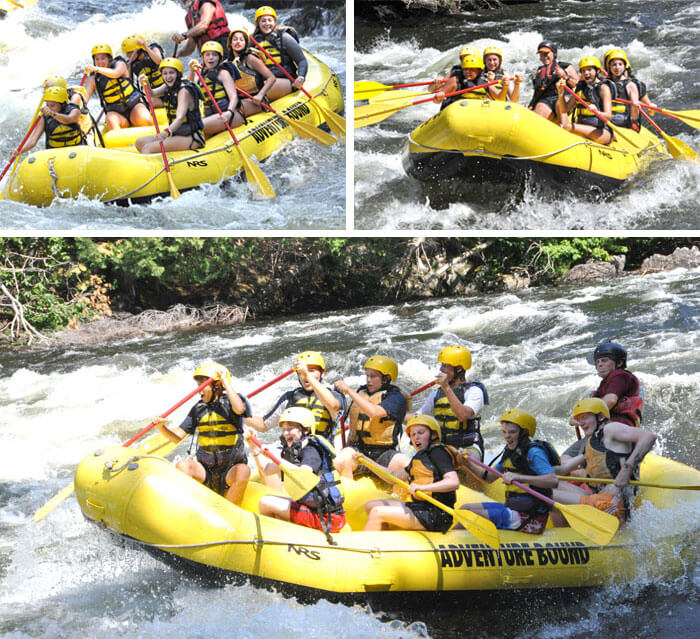
We have had our share of stormy skies and spotty showers but we have not let some wet weather dampen our spirits. Our white-water rafting trip on the mighty Kennebec River had enough adventure to keep our whole upper camp engaged for 2 days in the wilderness lodge property we rented just for our campers. The vaccinated guides were true pros and helped our staff and campers tackle Class IV rapids, under blue skies, mountain scenery, and bright sunshine.

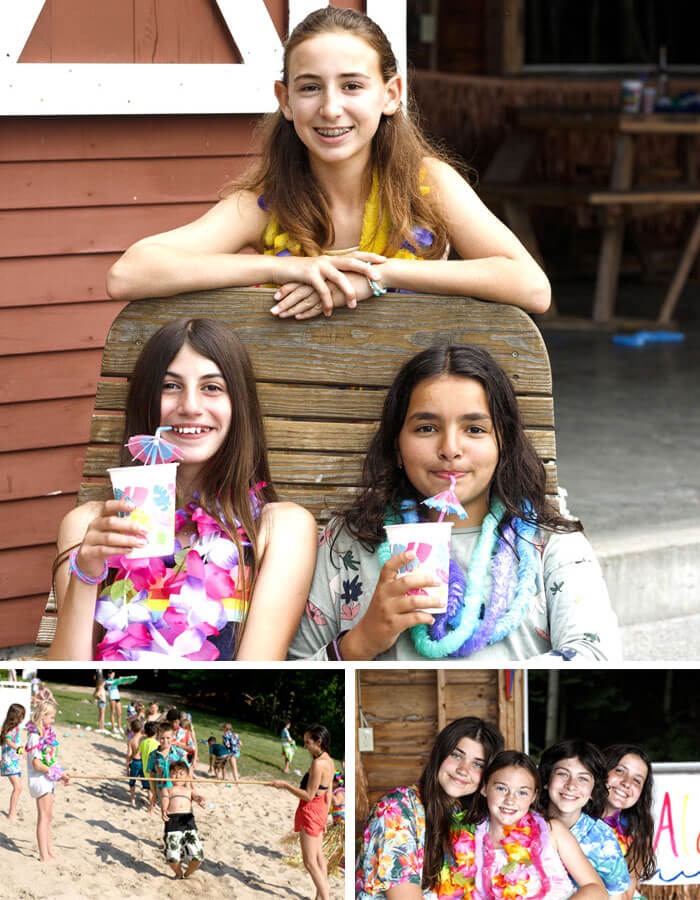
Our Pioneers and Explores had the camp to themselves with some home-grown special events like late night glow in the dark mini golf, Hawaiian 🌺 Luaus, Limbo at the waterfront, and tented camp out overnights in our Orchard. The boys woke up to a light drizzle so their cookout breakfast will be re-scheduled but the girls were luckier with a foggy morning where Melissa Head of Girls Camp, Harris, our Athletic Director and myself grilling up “bird in the nest” breakfasts that the kids said they would try at home, so easy and delish on an outdoor griddle or inside kitchen.

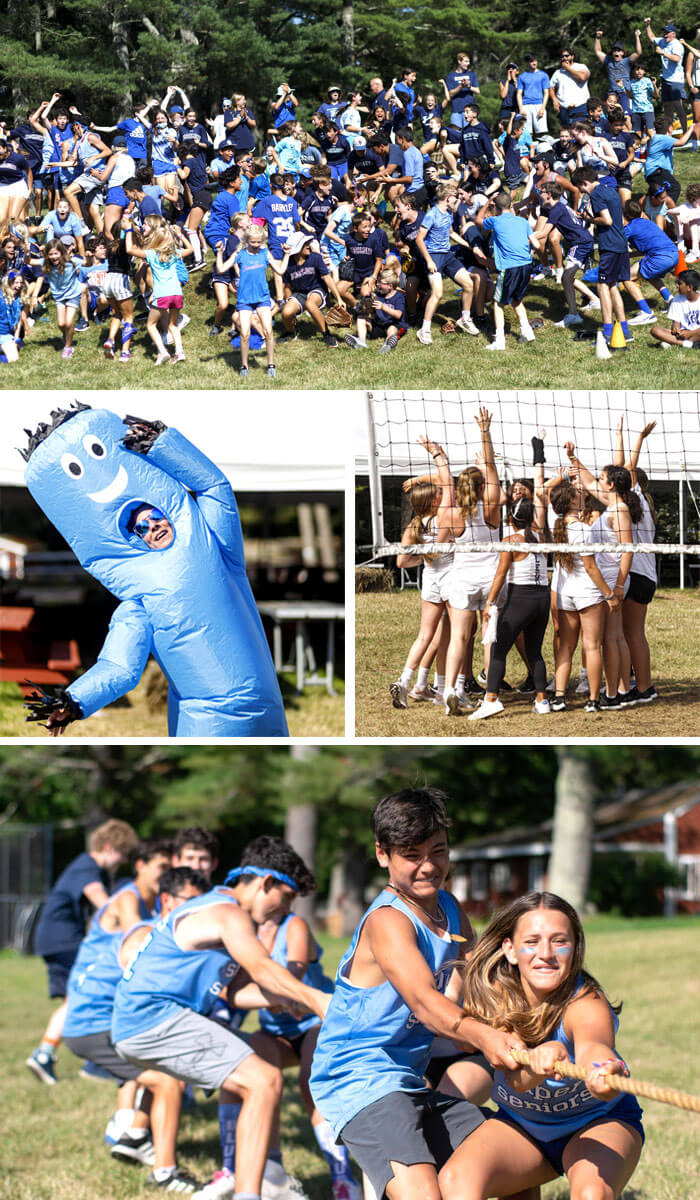
Our Blue and White Day was a camp-wide affair full of spirit and sportsmanship. Every group competed in virtually every activity with loads of effort and fun. The Blue Team was behind all day only to pull out a victory in the running relay marathon and tug of war. They probably heard the cheers all the way across the lake when Greg announced a Blue Team Win…Never underestimate an under-dog!

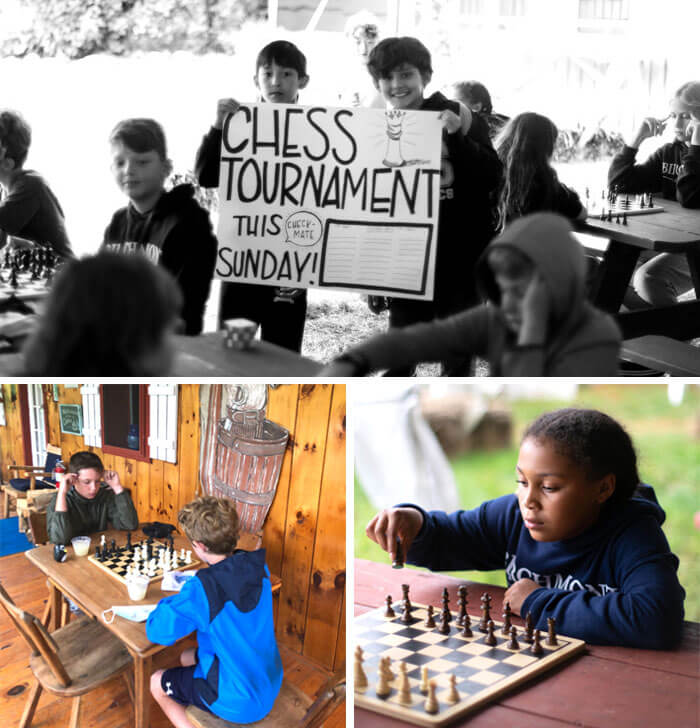
Today we hosted our annual Chess Tournament with 32 participants in a single elimination touch/move battle with the final round being played tomorrow at Rest Hour on the Directors Cottage patio.

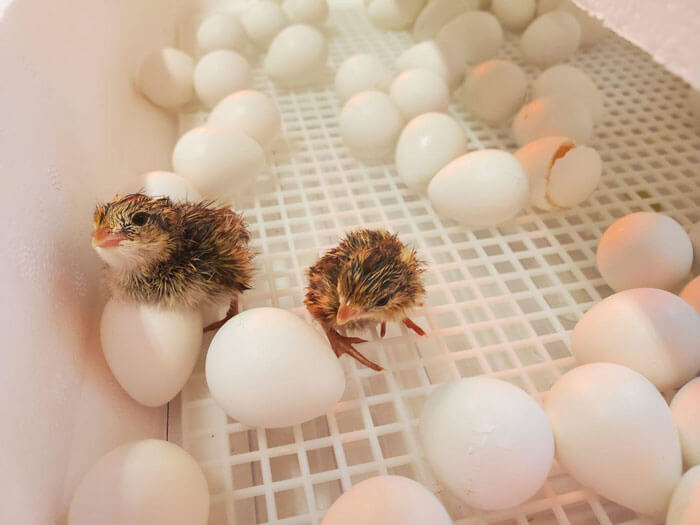
And did I mention we have hatched a huge clutch of baby quail that we are handling and will release in the Orchard later this summer.

We are looking forward to our always popular Hoe-Down. The food, ( Kitty’s fried chicken, biscuits, pickles and root beer ) the country western band, the games, the mechanical bull riding, Greg’s wagon hay rides, Martine’s pony rides, face painting, and western dancing all help make this a beloved Birchmont outdoor event. If you see your kids in freckles, braids and bandanas, you’ll know what’s going on.

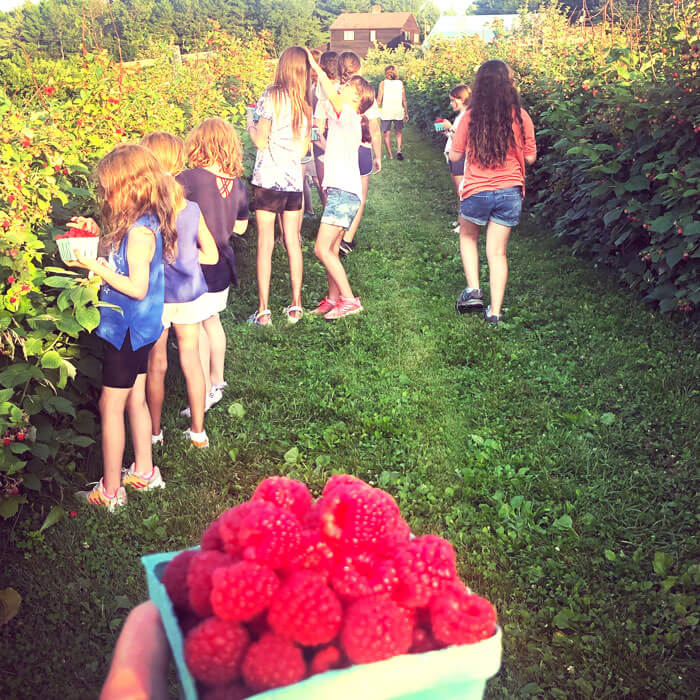
We have been raspberry picking, water-skiing, fishing, cooking, kayaking, sailing, swinging from the trees, and we are healthy and happy as can be.

We are almost half way done but with a whole lot more fun to come.

We’re All Here, And Ready to Roll!

We have begun, and we have begun well!
After careful testing and monitoring, we have gotten back our 3rd PCR batch of tests, and happy to report we are all negative for COVID!This is great peace of mind, and we will be able to relax and ease into enjoying our bubble of wellness here at camp.

We’ve had some hot weather to start camp, but nothing was melting but our ice cream. The kids held up well and enjoyed our double swim days at the lake. Then a few days of rain followed and we are proud of our campers who are resilient, settling into cabins and becoming fully engaged in camp life. It is fitting that as we celebrate our country’s Independence Day, we celebrate our campers becoming more independent too.

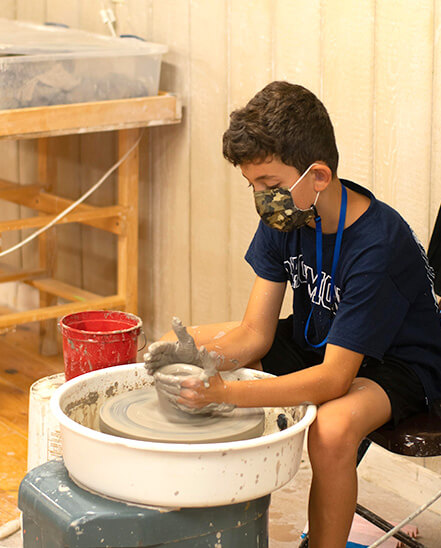
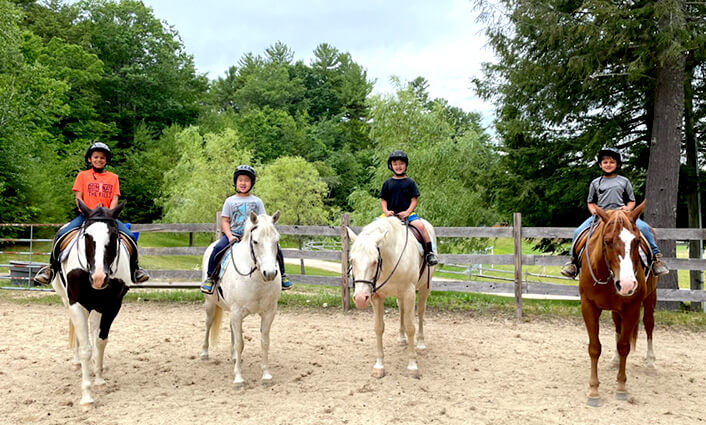
We have gotten so much done already… campers are passing swim laps, horses are jumping, potters wheels are going, our tennis courts and fields are full, friendships are being formed, memories are being made as campers begin to think not so much about parents and pets left at home, but are allowing themselves to open up and enjoy this new experience that is the camp summer of 2021.

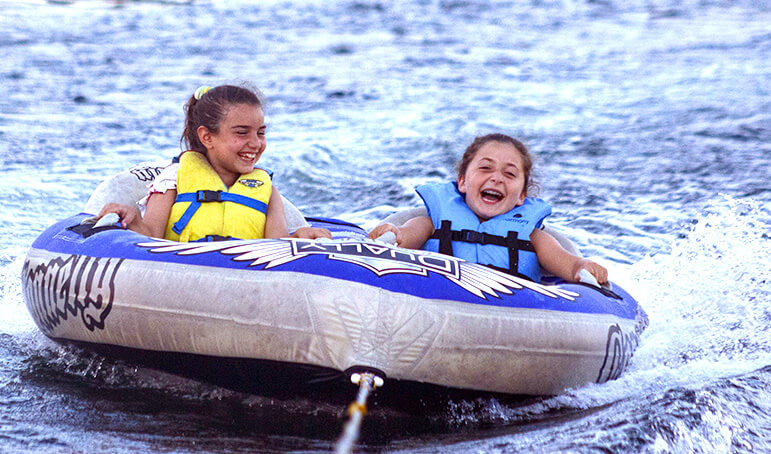
Our Pioneer Groups have been tubing at sunset, our upper and lower camps have begun their Club Nights, and we hosted our first DJ Social last night. We had our Opening Firelight ceremonies, boys in the Orchard Overlook and Girls at the Notches candlelight areas. We established goals for the summer, and welcomed everybody, new and old, as we sat around our roaring campfires. The girls’ firelight broke out into an impromptu dance party under the stars as we promised to hold each other in high regard, no matter where we came from before this first night of camp. For now we are all part of a big Birchmont family, with lots of fun in front of us.

At Quiet Hour this morning, Greg talked a bit about not being afraid to fail at camp. How simple and empowering it really is to change the mind set of “I Can’t” to “I Could if I…”
His examples seemed to resonate as campers began to realize that it’s true, “I Could If I” is a powerful little key to unlock the door of self-doubt so many children let get in their way of trying new things, or mastering new skills. Attitude is a young learner’s most precious resource.

It’s true that much has felt out of our control in this strange year; we can’t control the uncontrollable…but we can control our attitude, We share with our campers that YOU choose your attitude every day. You can control that.

Try waterskiing, paddle boarding, toss the ball high to serve, unfurl a sail, catch the fly ball, ride the horse, shoot an arrow, hang from a harness and fly through the trees… Everything is here waiting for our campers to try. Tonight we will have our 4th of July festivities with races, make your own sundaes, tug of war, and next week we look forward to our full day of spirited camp wide competition for Blue and White Day, our tented overnights and cookout breakfast for the Explorers, Rail Trail hikes and more. Make no mistake, although we are organized, and we have to be to ensure smooth sailing for many people, we will prioritize joy over efficiency, because especially this summer, we all need to maximize joy, and connectedness.

Charles Eliot, the past President of Harvard had put it another way; he said back in 1869,  “The organized summer camp is the most important step in education that America has given the world.”

We couldn’t agree more, and we’re so happy to be learning and loving our summer amidst the mountains, lake, fields and forests that are Camp Birchmont in New Hampshire.